Terrain Clearing in Salt Lake City, UT
Terrain clearing services involve removing unwanted vegetation, trees, shrubs, and debris to prepare a property for construction, landscaping, or other development projects. This process can include grading, brush removal, stump grinding, and site leveling to create a clean, accessible space. Homeowners often request terrain clearing when planning to build a new structure, install a driveway, or establish a lawn or garden area, ensuring the land is safe, stable, and ready for future use.
Before requesting terrain clearing, property owners should consider the size and scope of the project, the types of vegetation or obstacles present, and any local regulations or permits that may be required. Understanding the extent of clearing needed and any potential challenges, such as difficult terrain or protected plant species, can help determine the most effective approach and ensure the project aligns with property goals.
Many property owners in Salt Lake City, UT look into Terrain Clearing for repairs, replacements, upgrades, and appearance-related improvements.
Site Preparation For Construction
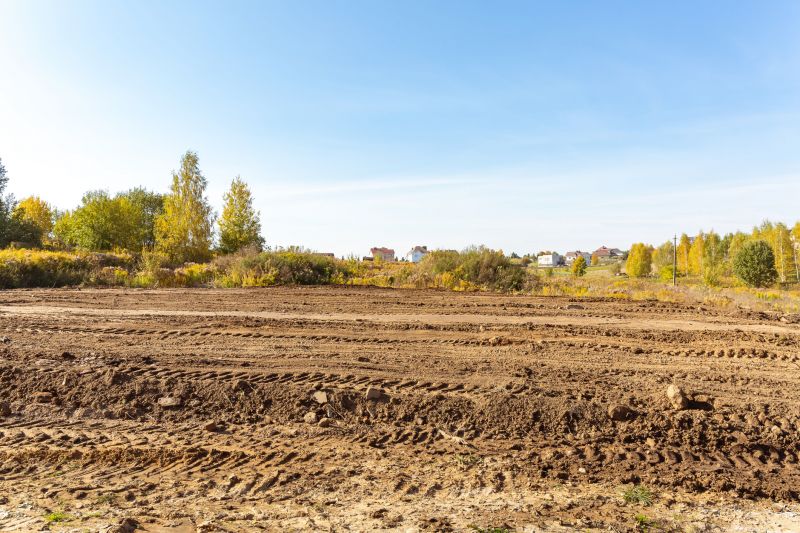
Terrain clearing creates a level foundation for building projects in salt lake city, ut.
Land Restoration And Maintenance
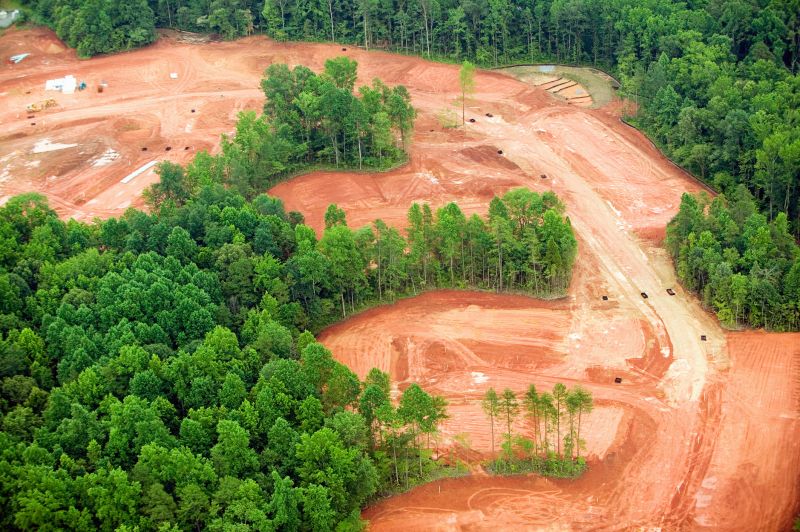
Clearing overgrown or uneven areas helps improve safety and accessibility on residential properties.
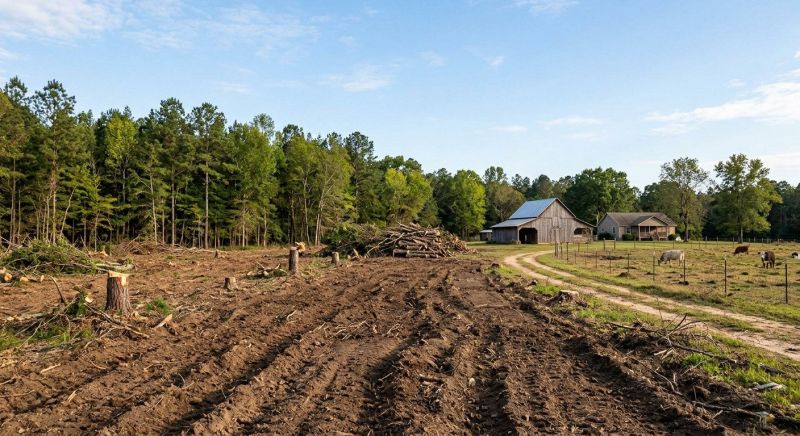
Agricultural And Landscaping Projects
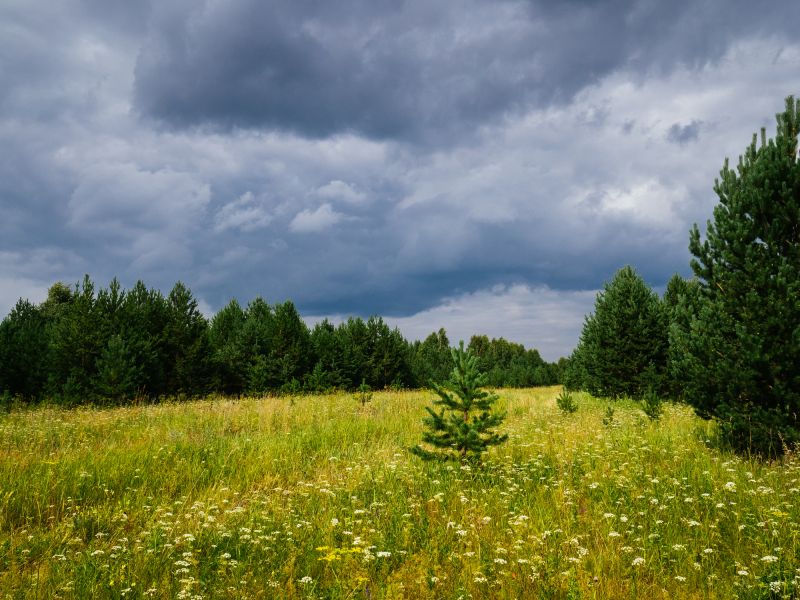
Removing unwanted vegetation and debris prepares land for planting or landscape design in salt lake city area.
Terrain Clearing in Salt Lake City, UT
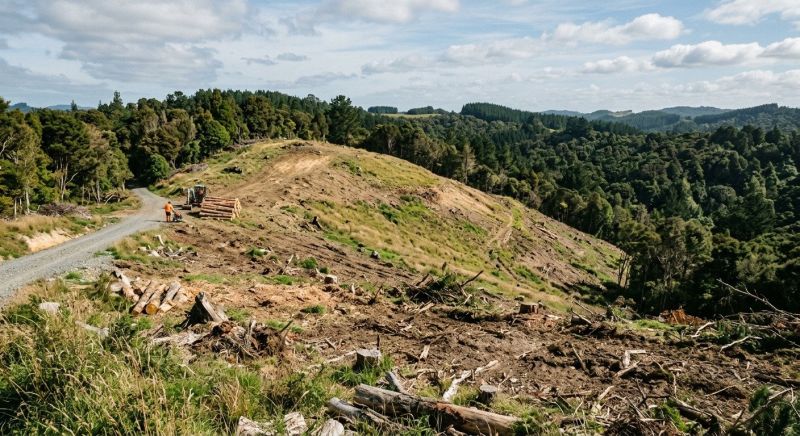
Terrain clearing services involve removing unwanted vegetation, trees, shrubs, and debris to prepare a property for construction, landscaping, or other development projects. This process can include grading, brush removal, stump grinding, and site leveling to create a clean, accessible space. Homeowners often request terrain clearing when planning to build a new structure, install a driveway, or establish a lawn or garden area, ensuring the land is safe, stable, and ready for future use.
Before requesting terrain clearing, property owners should consider the size and scope of the project, the types of vegetation or obstacles present, and any local regulations or permits that may be required. Understanding the extent of clearing needed and any potential challenges, such as difficult terrain or protected plant species, can help determine the most effective approach and ensure the project aligns with property goals.
Many property owners in Salt Lake City, UT look into Terrain Clearing for repairs, replacements, upgrades, and appearance-related improvements.
Common Terrain Clearing Jobs
Brush and Debris Removal - clearing overgrown areas to prepare for landscaping or construction projects.
Tree and Shrub Clearing - removing unwanted trees and shrubs to improve property safety and appearance.
Lot Clearing - removing rocks, roots, and debris to create a clean, level site for development.
Fence and Utility Line Clearing - ensuring safe access by clearing around existing or planned fences and utility lines.
Firebreak Clearing - reducing fire hazards by removing combustible vegetation in designated areas.
Storm Damage Cleanup - restoring property by removing fallen trees, branches, and debris after storms.
Terrain Clearing Questions
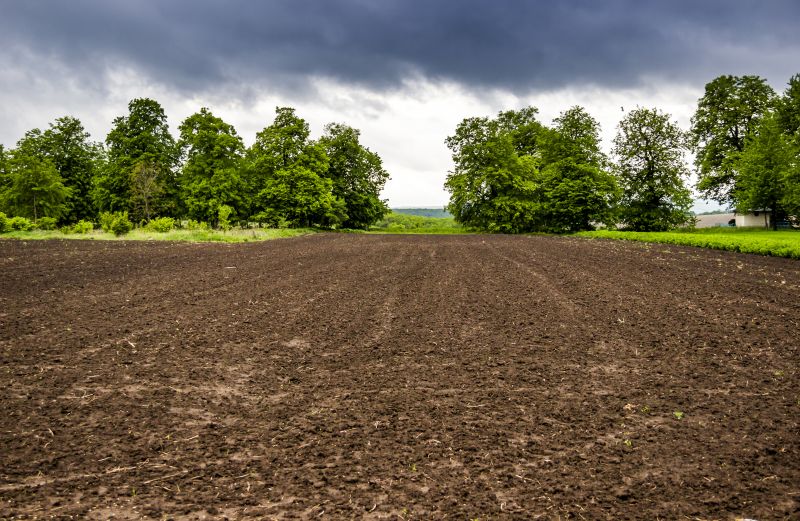
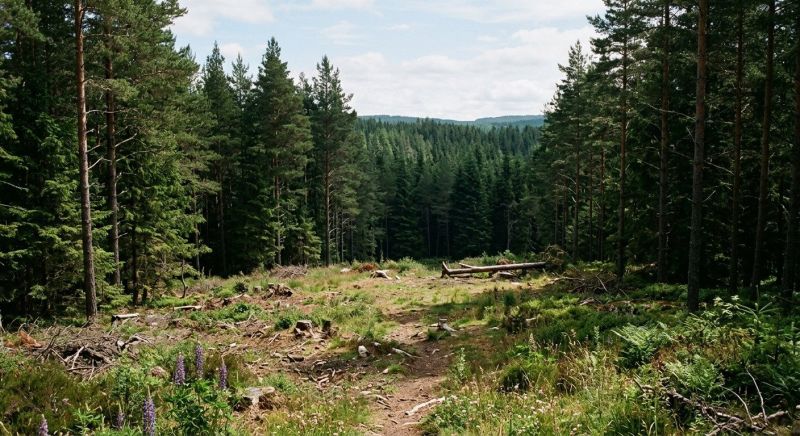
What types of terrain can be cleared? Terrain clearing services handle areas with overgrown vegetation, trees, shrubs, and uneven ground to prepare properties for development or landscaping.
Is terrain clearing suitable for large properties? Yes, the services are effective for both small and extensive properties requiring removal of obstacles and leveling.
What equipment is used in terrain clearing? Heavy machinery such as bulldozers, excavators, and skid steers are commonly used to efficiently clear and grade land.
What should property owners consider before clearing? It’s important to evaluate the type of vegetation, soil condition, and any underground utilities or structures present on the land.
Request Terrain Clearing in Salt Lake City, UT
Use the quote form on this page to share the basics of your project and request more information for the type of work you need.